

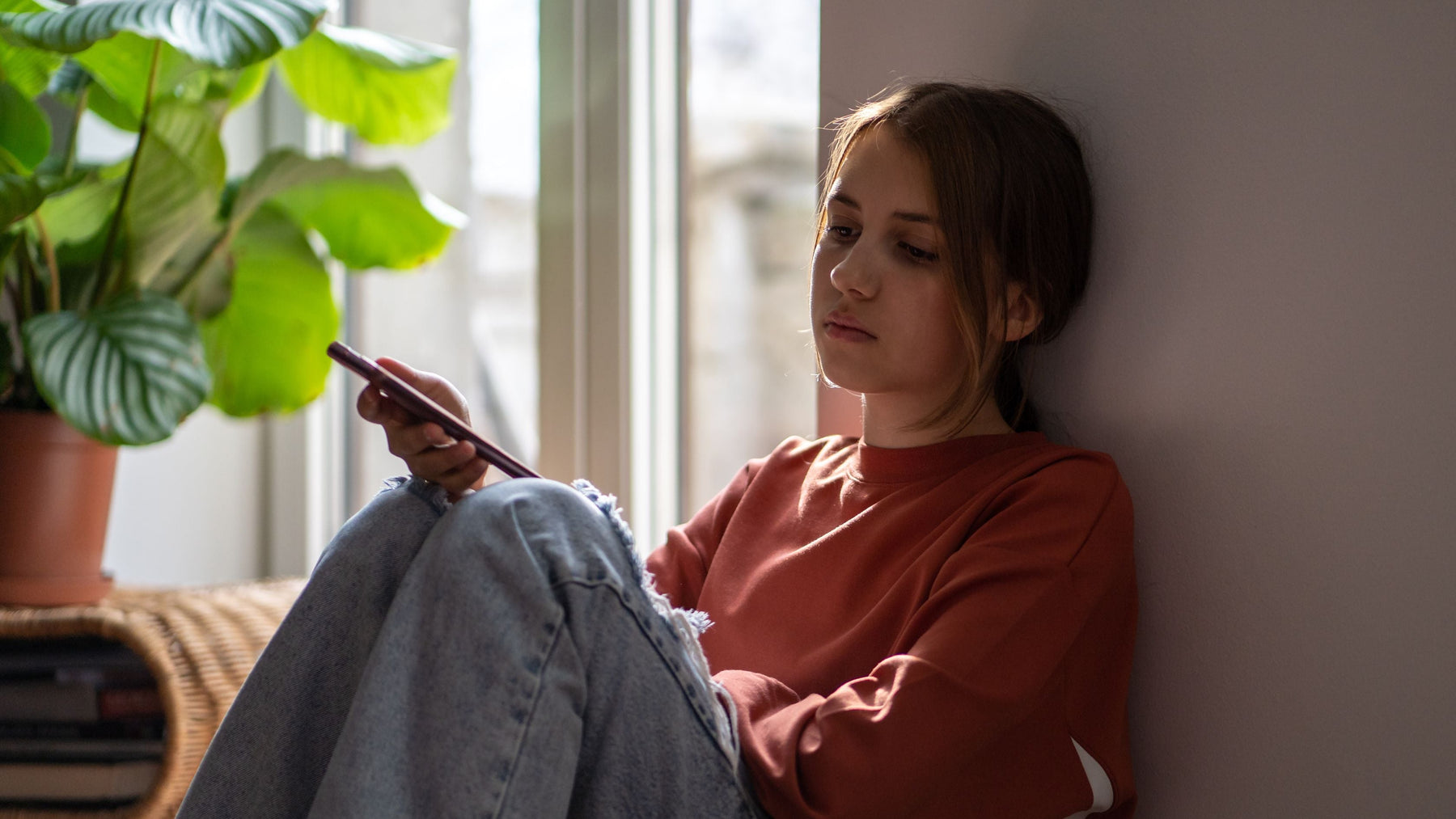
Have you ever wondered why boys seem to dominate ADHD statistics, while girls quietly slip under the radar? It’s not because girls don’t experience ADHD—they do. But their symptoms often look different, making it far too easy for teachers, parents, and even healthcare professionals to miss the signs.
While boys often show their struggles on the outside, girls (and even women) tend to experience ADHD quietly. They may be daydreaming, overwhelmed, or emotionally sensitive, yet on the surface, they appear to be coping just fine. As a result, thousands of girls go through childhood undiagnosed, misunderstood, and often blaming themselves for their struggles.
ADHD is diagnosed far more often in boys than in girls, but that doesn’t mean it’s less common in females. In reality, the signs are just easier to miss. Girls are more likely to have the inattentive type of ADHD, which doesn’t come with the same loud, disruptive behaviors often seen in boys. Instead of climbing the furniture or calling out in class, a girl with ADHD might be:
Because these behaviors don’t disrupt the classroom, teachers often don’t raise concerns. At home, parents may assume she’s shy, sensitive, or simply “not paying attention,” rather than struggling with ADHD.
One of the most striking differences in how girls experience ADHD is their ability to mask their symptoms. From a young age, many girls learn to compensate and keep up appearances. They work harder to stay organised, copy what other children are doing, or rely on friends to remind them of tasks.
But this constant effort comes at a cost. Inside, they often feel:
Because their struggles are invisible, girls with ADHD are frequently misdiagnosed with anxiety or depression instead. And while these conditions can coexist with ADHD, the root cause often goes untreated.
When ADHD is not recognised in girls, the effects can be long-lasting. Many grow up believing they are lazy, disorganised, or simply “not good enough,” even though they’re trying harder than anyone realises.
As they reach adolescence and adulthood, undiagnosed ADHD can contribute to:
Early recognition can change everything. Understanding that ADHD is the reason for their challenges is often the first step toward self-acceptance and effective support.
Spotting the signs of ADHD in girls is only the beginning. Once the puzzle pieces click into place, the next step is finding ways to help her thrive instead of struggle in silence. For many families, this starts with structure and small changes: consistent routines, visual reminders, and breaking big tasks into manageable steps. These simple shifts can ease the daily chaos and help a child feel more in control.
Natural support can also play a valuable role. Plant-based options can support brain function, calm restless energy, and ease mental fatigue without needing a prescription.
Supporting a girl (or woman) with ADHD isn’t about changing who she is—it’s about giving her the tools to shine in her own way. With the right mix of understanding, structure, and natural support, these girls can go from quietly struggling to thriving with confidence. The more we talk about ADHD in girls, the fewer children will slip through the cracks, and the brighter their futures will become!
If you have any question, please contact us or leave a comment below for FREE health advice. We always love hearing from you!

Comments
Leave a comment